
Air Traffic Controllers Crisis communication
STRADEF International delivers crisis negotiation and hijacking response training for air traffic controllers. Built by a founding member of Singapore's Crisis Negotiation Unit, delivered to civil aviation authorities across Southeast Asia.
Who are the first ones to discover airline hijackings?
When a hijacking call comes through, there is no time to think. There is only time to act.
Air traffic controllers are the first point of contact in an aviation crisis. This training prepares you for the moment everything changes.
Air traffic controllers manage thousands of flights a day without incident. The job is built on precision, protocol, and calm under pressure. But hijackings, suicide threats, and in-flight emergencies don't follow protocol — and the person on the other end of your frequency may not respond to standard procedures.
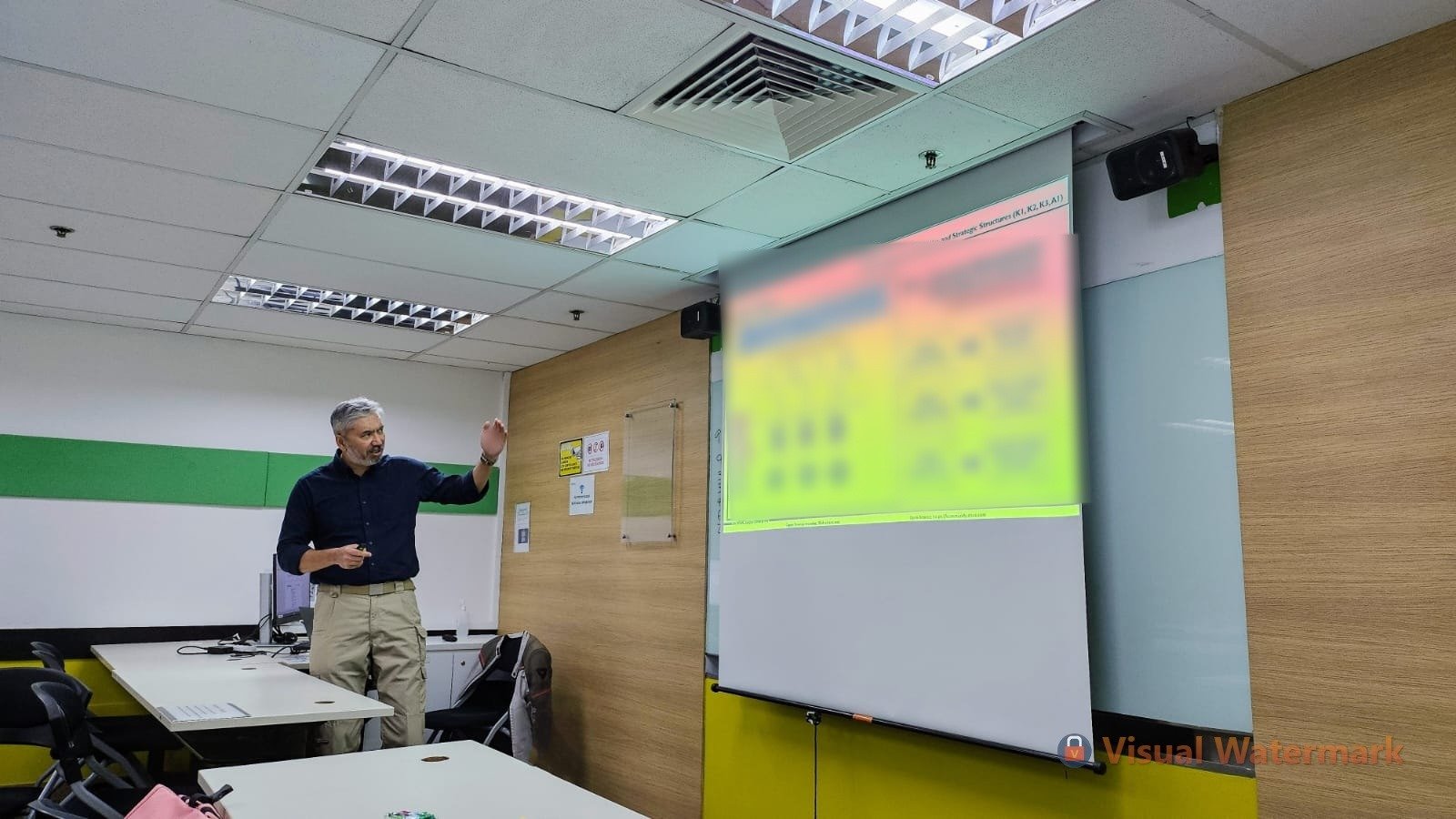
STRADEF has delivered this training to a civil aviation authority in Southeast Asia. It is not a classroom exercise. It is a tested, scenario-based programme built by a founding member of the Singapore Police Force's Crisis Negotiation Unit — a Scotland Yard-trained negotiator with over two decades of operational deployments.
What makes this different from standard emergency training?
Most aviation emergency training covers what to do with the aircraft. This programme covers what to do with the person.
Understanding how a hijacker thinks, how to keep communication open, how to buy time for tactical teams, and how to manage your own composure under extreme stress — these are negotiation skills. They are learnable, and they save lives.
Are you ready for the worst-case scenario? No?


What the Programme Covers
Hijacker psychology How different types of actors — political, criminal, mentally unstable — behave under pressure, and how to read the signals.
Communication under crisis What to say, what not to say, and how to maintain a line of communication without escalating the situation.
Coordination with ground response teams Your role within the larger crisis response structure — law enforcement, tactical units, airline operations, and command centres.
Decision-making under pressure How to process incoming information and make sound calls when time is short and stakes are absolute.
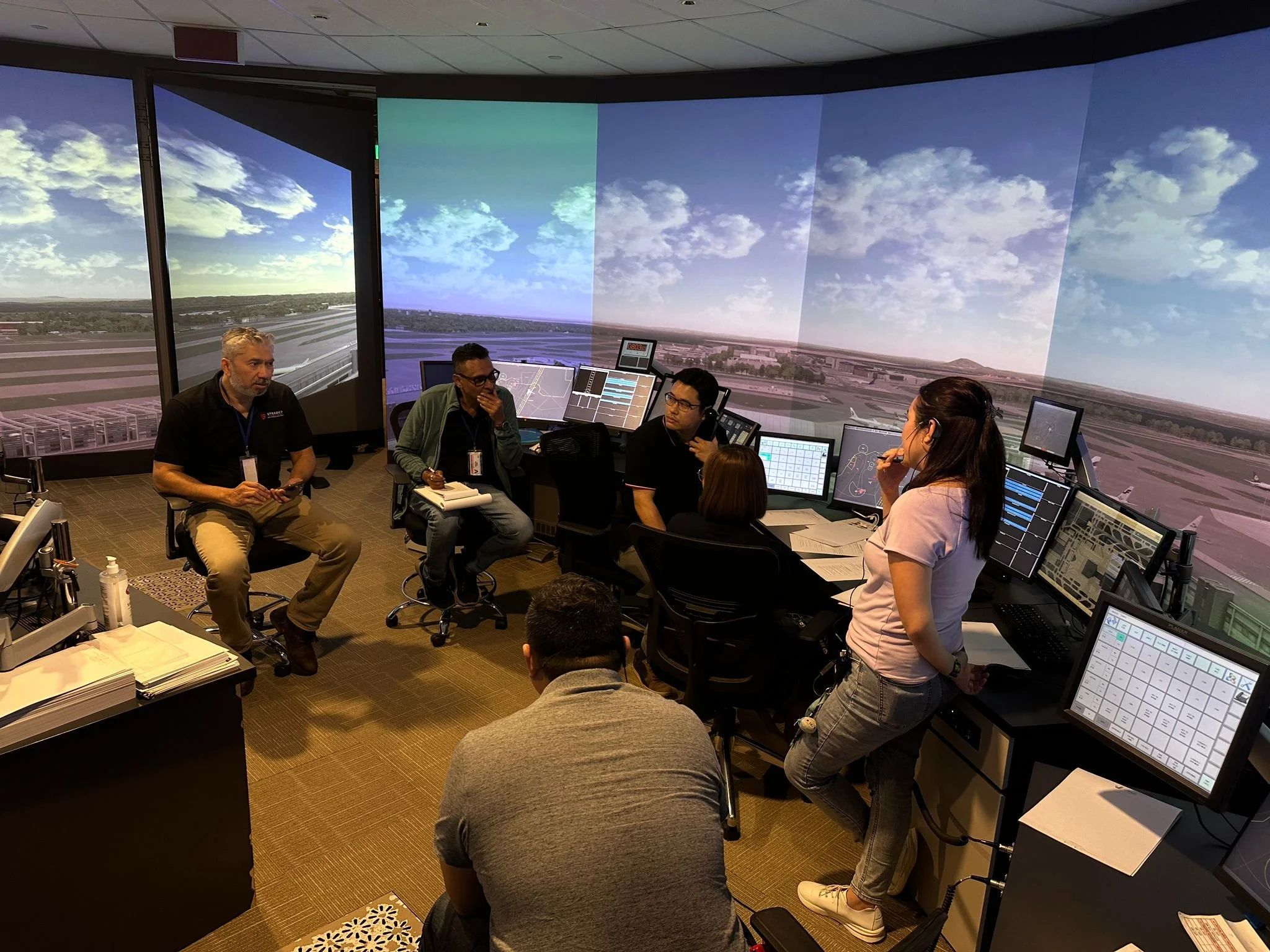
Live simulation exercises The programme concludes with real-time hijacking scenarios that replicate the pressure of an actual event. You will be tested, debriefed, and equipped.
Who This Is For
Civil aviation authorities, airline operations centres, and airport security leadership responsible for controller readiness and emergency response preparedness.
This programme was developed and is delivered by Jarrod J. Nair, CPP, a founding member of the Singapore Police Force Crisis Negotiation Unit, Scotland Yard-trained negotiator, and former Commanding Officer of the SPF Special Operations Training Centre. He developed the original crisis negotiation training programme for air traffic controllers in 2015 and has continued delivering it to a Southeast Asian civil aviation authority since then.
be prepared
Your controllers will face this situation once, with no rehearsal — unless they train with us.